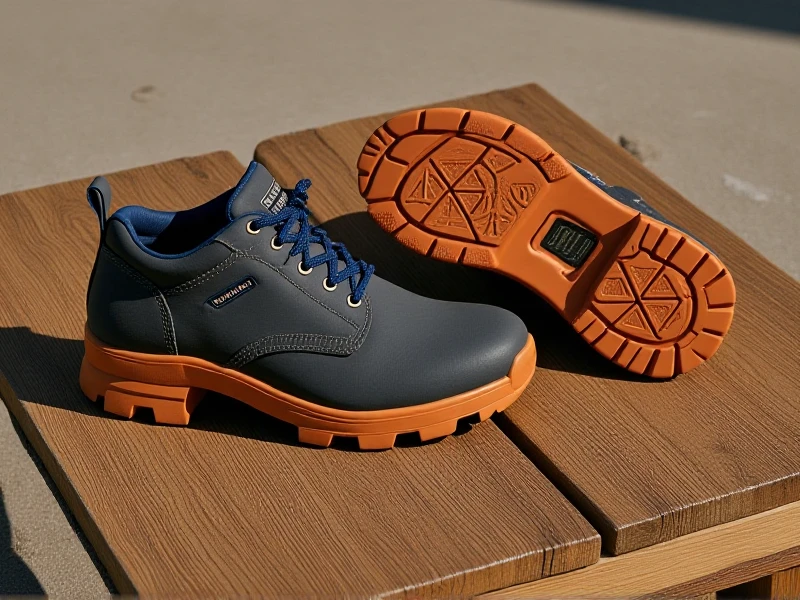
The Essential Guide to Choosing the Best Work Boots for Safety and Performance
Finding the perfect pair of work boots isn't just about comfort – it's about protecting yourself on the job every single day. Your feet face countless hazards: heavy impacts, sharp objects, slippery surfaces, electrical risks, and more. One in five workplace disabling injuries involve the feet, making reliable work boots a non-negotiable investment in your safety and well-being.
Key Features of Top-Tier Work Boots:
- Safety Toes: ASTM-rated safety toes (Steel, Composite, or Alloy) are fundamental. Steel toes offer maximum impact resistance against heavy falling objects, while composite options are lighter and non-conductive. Choose the ASTM rating (F2413-18) appropriate for your job's risks.
- Sole Construction & Traction: Slips and falls are a major cause of injuries. Look for rugged outsoles made of durable rubber (like Vibram® or similar quality) with deep, aggressive treads designed for your specific environment – oil resistance, chemical resistance, or heat resistance might be critical. Lug soles excel outdoors, while defined heel patterns aid on ladders.
- Puncture Resistance: A puncture-resistant plate (ASTM-rated) embedded in the midsole shields your feet from sharp objects like nails, glass, or metal shards – crucial on construction sites or debris-filled areas.
- Electrical Hazard Protection: Jobs involving live circuits demand EH (Electrical Hazard) rated boots. These boots provide a secondary layer of protection against accidental contact with open electrical circuits up to 600 volts in dry conditions (ASTM F2413-18 EH).
- Comfort & Fit: Long hours demand exceptional support. Prioritize features like:
- Cushioned Insoles: Shock absorption reduces fatigue.
- Adequate Arch Support: For posture and weight distribution.
- Quality Leather or Durable Synthetic Uppers: For breathability and water resistance.
- Proper Break-In: Don't risk blisters; allow time for new boots to mold to your feet. Always try them on with work socks.
Beyond the Basics:
- Waterproofing: Essential for outdoor workers or wet conditions. Membranes like Gore-Tex® offer reliable waterproof, breathable protection.
- Insulation: For cold environments, Thinsulate™ or comparable insulation keeps feet warm without excessive bulk.
- Metatarsal Guards: For jobs with severe crush hazards to the upper foot, separate met guards or built-in met protection are vital (ASTM Mt).
Making Your Work Boots Last:
Maintenance extends life and effectiveness. Clean boots regularly to remove corrosive materials. Apply conditioners suitable for the boot material to preserve leather suppleness or synthetic integrity. Rotate between two pairs if possible to allow each pair to fully dry out between wears.
Investing In Your Foundation
Your work boots are your most essential safety gear. Choosing the right pair involves understanding your specific job hazards and prioritizing the features that mitigate them. It’s not merely an expense; it's an investment in your long-term health and ability to perform your job without injury. Don't compromise. Take the time to research and select high-quality work boots that meet the required safety standards and provide genuine comfort. Your feet carry you through your career – give them the armor they deserve.
Evaluate your current work boots. Do they match the demands of your workplace and prioritize your safety? Upgrade today and step into work with confidence and protection.