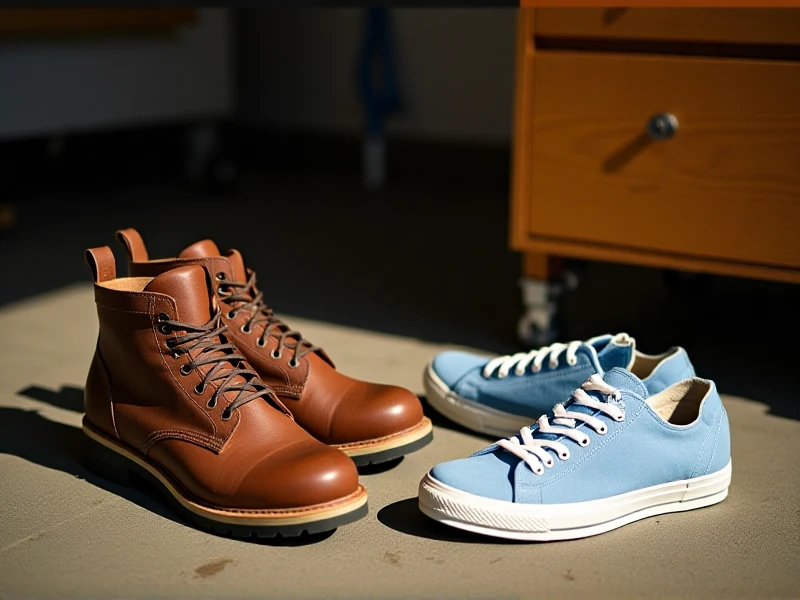
Choosing the Right Work Boots: A Must for Safety and Comfort
Your feet are your foundation on the job. For professionals in construction, landscaping, manufacturing, warehousing, and countless other trades, wearing the right work boots isn't just about comfort – it's a critical piece of personal protective equipment (PPE). Slips, trips, falls, and heavy object impacts are common workplace hazards. Studies often show foot injuries occur disproportionately in industries where inadequate footwear is worn. The right pair provides essential protection against puncture wounds, electrical hazards, crushing forces, and slippery surfaces.
Selecting the best work boots involves considering several key factors for optimal protection and endurance:
- Safety Standards: Look for boots certified to meet relevant standards, like ASTM F2413 (impact resistance, compression resistance) and ASTM F2892 (electrical hazard protection). Check for specific ratings on the safety toe (e.g., ASTM F2412-11 I/75 C/75 EH – indicating Impact and Compression rated at 75 foot-pounds and Electrical Hazard). CSA (Canada) and European equivalents are vital in those regions.
- Job-Specific Hazards: Identify your primary risks:
- Steel Toe or Composite Toe: Mandatory for impact/crush protection.
- Puncture-Resistant Midsoles: Crucial for sharp objects like nails or glass.
- Slip-Resistant Outsoles: Essential for oily, wet, or otherwise slick surfaces.
- Electrical Hazard (EH) Rating: Protects against open circuits up to 600 volts in dry conditions.
- Waterproofing: Necessary for outdoor work in wet conditions.
- Insulation: Required for cold environments.
- Fit and Comfort: Safety features mean little if the boots hurt. Prioritize a snug (not tight) fit in the heel and midfoot, with ample toe room. Excellent arch support and underfoot cushioning (like PU or EVA foam) reduce fatigue during long shifts. Break boots in gradually.
- Durability and Construction: Full-grain leather is exceptionally durable and abrasion-resistant. Look for Goodyear welt or cement construction for longevity and repairability. Rubber outsoles like Vibram offer superior grip and wear.
Pro Tip: Work boots require care. Clean them regularly, especially after exposure to mud, chemicals, or oils. Use appropriate leather conditioners. Rotate between two pairs if possible – this gives boots time to dry out completely between wears, prolonging their life and minimizing odor.
Investing in high-quality, properly fitted work boots is investing in your safety and productivity. They are indispensable gear that safeguards against serious injury while enabling you to perform your best, comfortably, shift after shift. Always adhere to your company's specific PPE requirements concerning footwear. Never compromise when it comes to protecting your feet.